Wednesday, March 30, 2022

Is Montessori the Right Daycare Environment to Help Your Child Develop?

All parents want their children to be part of a daycare environment that helps their children develop appropriately. For many, the whole-child approach of Montessori is the ideal type of daycare, including parents of children with learning challenges such as autism. The reason for the success of Montessori is multi-faceted, and the traits mentioned here are only a brief glance, not the entire list.

Ordered Environment

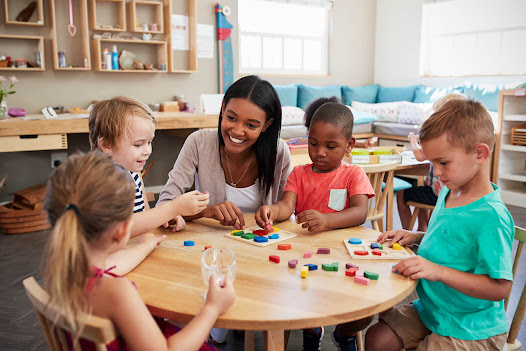
In Montessori, daycare children find themselves in an ordered room that has been tailored specifically for the use of kids. Tables, chairs, and furniture are child-sized, and workstations are always kept in their designated location. The prepared environment of a Montessori daycare is carefully laid out to provide children with the incentive to become engaged, and that helps their development.

Freedom of Movement

Montessori does not confine children to a generic desk all day. Instead, children are able to move freely between workstations as they engage in learning different things. In some cases, children are quietly alone,  and other times they work together in teams or as a group. And while there are class activities where everyone participates together, most of the day is tailored toward freedom of choice and movement.

Play-Based Learning

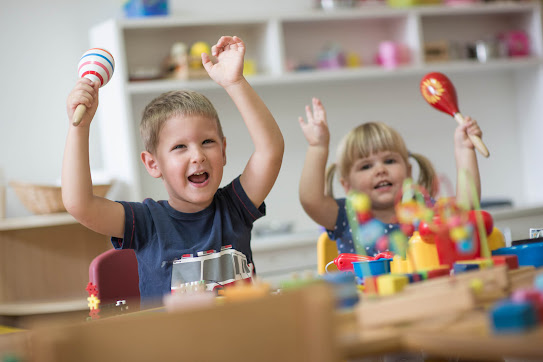
Hands-on, play-based learning is perhaps the best-known premise of Montessori schools. What is important in this is that Montessori activities are not idle toys, but carefully selected activities that provide different types of instruction under the guise of children playing with something they enjoy. As they play, kids learn about a wide range of topics, including language, reading and writing, and mathematics.

Whole-Child Development

Traditional schools are focused almost entirely on the academic side of education with a little physical activity thrown in for a small portion of the day. By contrast, Montessori is all-0in on early development. Everything from developing vital motor skills to learning how to do math or building a vocabulary is part of the Montessori Method. Montessori even helps children develop a healthy sense of self-esteem and imparts the importance of teamwork and taking an active role in one's environment.


For more than a century, the Montessori Method has been gaining awareness and popularity, almost entirely because of what it has to offer early childhood development. For parents, Montessori is a way to help their child develop fully, including social, physical, and academic skills. Montessori may not appeal to every parent, but it has a wealth of benefits to offer most of them.


Tuesday, March 29, 2022

5 Exciting Summer Activities That Appeal to Preschool Children

One way to think of the minds of preschool children is to compare them to a blank easel that wants to be filled with information. The world around them is huge, but their experience is very limited, and there are new things to be known around every corner and under every rock. Here are 5 STEM-related activity ideas that will occupy preschool children and keep them engaged in the learning process.

  1. Language and Culture

No matter where you look, preschool kids will find an opportunity to learn new vocabulary and discover new things about this diverse world. Kids love to find out where their favorite food, fruit, or musical instrument originated and discovering how much our lives are influenced by other cultures helps them understand the importance of diversity in our world.

  1. Science

Every day is a great day for science, and science is surprisingly easy to do. Shine a bright light through a clear glass of water and see how light bends and divides into the colors of the spectrum. Play with magnets or catalog the birds living in your yard. Teaching children the foundations of science helps them gain a better understanding of the world and teaches relationships between cause and effect.

  1. Technology

Life in the 21st Century is going to be all about technology and children who learn to effectively use technology in preschool will be better prepared for the future. One Montessori-style app for kids is CodeSpark. It's an interactive and adaptive app that teaches the basics of coding in the process of playing exciting games. This app is an excellent example of how children can use technology that feeds their minds instead of hampering their progress.

  1. Engineering

Use building blocks to design towers and buildings. Lego-style blocks are especially great because they not only impart good engineering concepts, but different styles of math are inherent in their design. This type of building block teaches multiplication, division, fractions, and more in the course of playing.

  1. Math

Math is going to be part of everything your child does, without exception. Math is needed to learn how to shop, to learn how to measure or pour, even to learn how to know when it is time to feed the family pet. The easiest way to learn about math in an engaging manner is by talking about it every time you use it. This teaches children that math is an important tool, encouraging children to apply math to other activities.


STEM education is important and continuing the learning process over the summer break helps children retain the information they have learned and keeps them engaged in the learning process. Combining the two into enjoyable games and activities turns boring summer days into adventures of discovery. 


Thursday, March 24, 2022

6 Ways Montessori Elementary School Excels Over Traditional Schools

An authentic Montessori elementary school is quite a bit different than traditional public schools. Where traditional schools rely on memorization and a generic lecture-based teaching system, Montessori schools use hands-on tools to reinforce the retention of information and a self-paced teaching system that encourages children to want to learn.

  1. Self-Paced Learning

Montessori school students are not forced to be on the same page at the same time as the rest of the class. Instead, children work independently at their own projects, learning at a pace that fits them rather than trying to keep up-- or losing interest by not being allowed to move forward. Montessori promotes an interest in learning that is central to Montessori theory.

  1. Intrinsic Motivation

Montessori is designed around the observation of children, offering them encouragement and guidance only as they require it. This helps build self-esteem, leading to children who take a more active role in their own goals. Children who feel good about themselves are more likely to help others, another key component of Montessori.

  1. Developmental Age Groups

Montessori uses a 3-year age group, with new children entering the class each year and others "graduating" out of it. The age grouping corresponds to developmental stages observed by Maria Montessori, but they also allow all children to be among both the youngest and the oldest students in the class.

  1. Guided Instruction

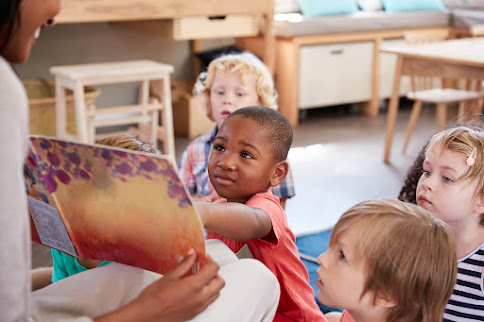
Montessori teachers are called guides, and that is their primary function in a Montessori classroom. Children learn to select their own activities and strive for their own developmental goals as the guides observe their progress and offer gentle guidance to help them stay focused and engaged. 

  1. Whole-Child Development

The Montessori Method is a whole-child developmental approach. Children learn by doing things instead of sitting idly at generic desks and learning from identical textbooks. They develop fine motor skills needed for manipulating objects and gross motor skills that improve running, jumping, and climbing abilities. They develop strong social skills that include diplomacy, empathy, and social etiquette. Children who spend their developmental years in a Montessori environment make great leaders, take part in their communities, and have respect for the environment and their fellow human beings.

  1. Discipline and Motivation

Montessori children learn to regulate themselves and develop an internal motivation that gives them the incentive to try new things and tackle new skills without the need for external rewards or punishments. The idea is that children who feel good about themselves and their environment will motivate themselves to learn and apply their learning to real-world applications.


Beginning with an assignment to educate children who were considered by experts of the time to be unteachable, Maria Montessori recognized that hands-on learning provided concrete examples and more closely resembled how children behaved in unstructured environments. The difference is that every aspect of the Montessori classroom is a carefully prepared environment.


Friday, February 25, 2022

4 Healthy Montessori Daycare Snacks That Children Love

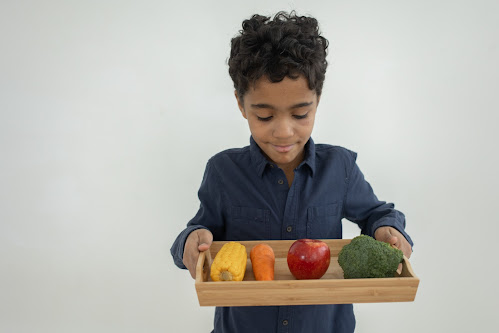
Healthy snacks are encouraged in your child's Montessori daycare. This means that things like sugary treats are discouraged, but sweet treats like fruit or fun taste sensations are great. We have selected these 4 daycare snacks with a focus on nutritional value and appeal to children of all ages.

DIY Snacks

The snacks presented here were chosen because they can be prepared at home from fresh ingredients. More importantly, these snacks can also be used as practical life experiences for your children. Allowing children to help prepare snacks is one way to teach valuable life lessons, promote the development of fine motor skills, and encourage critical thinking.


  1. Banana Slices

Bananas are excellent snacks for daycare children. They are easy to manipulate with small hands, taste great, and clean up easily afterward. A small bowl with round slices of banana is a healthy and exciting option for snack time.

  1. Cheese Bites

Cheese comes in many flavors, colors, and textures, and cheese is a favorite among small kids. By mixing cubes of a few favorite varieties of cheese, your kids will experience a taste explosion. Plain crackers make a good complementary item for daycare cheese samplers.

  1. Citrus Segments

All types of citrus can be easily peeled and divided into segments for easy consumption. You may need to de-seed the segments before putting them in a resealable bowl or plastic bag, but citrus is an excellent snack, and at least one type of citrus will appeal to every child.

  1. Celery Sticks

Celery sticks are a crunchy, tasteful treat that is easy to prepare and fun to eat.  Celery sticks can be topped with peanut butter or cream or cottage cheese, or dipped into ranch or other delicious sauces. Eating celery is also good for developing teeth and digestive systems.


Healthy, exciting snacks make snack time a fun time in your child's daycare. eating nutritious foods that fuel them for the rest of the day should be an enjoyable experience, and participating in making their own snacks gives a little extra flavor to every mouthful.

5 Important Pool Safety Tips for your Montessori Preschooler

All preschool children should be taught the basic pool rules before summertime arrives. From knowing when to avoid the pool to learning what must be done if someone in the water is in trouble, understanding teaches your kids to be pool safe sets the foundation for summer full of worry-free fun.

  1. Never Swim Alone

Preschool children should be taught that an adult should always be present before entering the pool area. A fence should be installed around the area, with a locked gate. It is best to take this a step further and make sure the key itself is not accessible to young hands.

The "Buddy System" is one of the most important rules of pool safety, and kids should be taught to abide by it as early as possible. The idea is that no one, not even adults, should spend time alone at the pool because bad things can happen. 

  1. No Running in Pool Areas

The frequency of accidental Slips and falls on wet surfaces is a great example illustrating the need for safe pool conduct. Running and horseplay are great physical activities, but they should be reserved for appropriate locations.

  1. Don't Swim In Dangerous Conditions

Pool areas should be cleared anytime a storm approaches. Even if the thunder and lightning are miles away, it may be coming closer and random strikes can occur up to 10 miles from the main storm. In colder places, unheated outdoor pools are best emptied or at least covered during cold weather, and children are taught that entering cold weather can affect their muscles and physical abilities in a negative way, making the water especially dangerous when it is cold outside.

  1. Learn to Offer Safe Assistance

There is a right way and a wrong way to help someone in trouble. First and foremost, preschool-aged children should alert an adult. To make this easier, purchase a cowbell and mount it with an easy-to-reach pull rope near the gate leading to the pool and teach your kids to ring rapidly in case of emergency.

Keep approved pool safety gear inside the pool fence where it is easily accessible. This should include a lifesaver ring on a rope, and a long pole with a soft curved end. It is vitally important to teach children not to try to reach a drowning person physically because a person in panic can put the helper in trouble as well.

  1. Put Away Pool Toys

Keeping the pool area neat and orderly is an excellent way to prevent trips, slips, and falls. This approach to safety and personal responsibility is in line with the Montessori Method and relies on a child's innate desire for order and organization.


A pool is great to have and offers hundreds of hours of good, clean fun, but it is important that preschool children learn to follow pool safety rules anytime they are near the pool. Whether at home or at a public pool, adhering to these tips will provide a better time for everyone.


Monday, January 31, 2022

3 Positive Behavior Strategies Used in Montessori Daycare

Your Montessori daycare approaches discipline differently than traditional public schools. Instead of focusing on problem behavior, Montessori uses redirection and discussion to address the behavior of children. The idea is to address behavior before it becomes disruptive, and that is done through positive behavior strategies like these.

  1. Appropriate Examples

The teachers and parents of children are their primary role models during the daycare and preschool years. As such, it is the responsibility of these people to provide positive examples of desirable behavior. From taking responsibility for accidents and mistakes to learning social skills such as courtesy and grace, children learn from what they see in others. Our role as adults in their lives is to give them the best examples we are able to provide. Be what you want to see, and acknowledge good behavior when it happens.

  1. Consistency

When the desired behavior has been laid out for children to follow, it needs to be consistent. This is especially important when coordinating school activities with the home or community. Maintaining or addressing consistency between the home and the classroom is one of the many reasons that Montessori uses frequent parent-teacher communication. With everyone on the same page, children quickly adapt to behaving in an appropriate manner.

  1. The Prepared Environment

The Montessori prepared environment is not a random collection of toys and activities. It is carefully laid out to engage children in their educational activities in a manner that benefits from good social behavior. Children hone grace and courtesy skills regularly because social etiquette is one of the cornerstones of the Montessori environment, and they are frequently given reasons to use it. 


Montessori daycares are known for their quiet, organized activities. That reputation is a direct result of using proactive, positive behavior strategies to minimize disruptions and maximize the focus and concentration of the children. Good behavior is not addressed as an individual issue so much as it is learning an effective method of interacting with others that will yield the desired results.


3 Engaging Ways to Teach About Gratitude in Montessori Preschool

Your child’s Montessori preschool includes good behavior concepts like gratitude in a variety of ways throughout the school day. Whether they are taking turns using a particular activity, participating in group activities, or performing daily routines, gratitude plays a key role in the Montessori environment.

  1. Sharing is Caring

Obviously, there are a limited number of activities available in the Montessori preschool classroom. And that creates plenty of opportunities for children to practice social graces and show gratitude when it is due. Simply learning to say thank you after being given permission to do something is a major step toward learning to show gratitude toward the kindness of others. Just as it is customary to say "thank you" after someone passes the peas at the dinner table, showing gratitude for permissions and external assistance keeps the classroom more focused and avoids conflicts.

  1. Group Activities

When the class has all sorts of group activities, even sing-alongs, it is a great opportunity for practicing social skills like gratitude. Asking for and receiving permission helps keep everything moving along smoothly, avoiding potential conflicts as it instills the concepts of asking and giving into impressionable young minds. And that point is worth remembering because children come into the world as a blank slate that is absorbent and willing so long as that need is fulfilled and encouraged.

  1. Respect and Inclusion

The ability to show gratitude when it is due is vital in developing respect for ones and others. It is an important leadership skill that plays a role in helping children become included more often in more ways. Respect is all about showing gratitude and deferential behavior, and it is important that children develop the skills necessary to both show appreciation and to accept it.


Anywhere your children go, they will have plenty of opportunities to practice displays of honest gratitude. From thanking the clerk for his service to showing gratitude for someone holding the door, life is filled with people interacting, and every interaction involves respectful behavior and appropriate shows of gratitude.