Friday, February 25, 2022

4 Healthy Montessori Daycare Snacks That Children Love

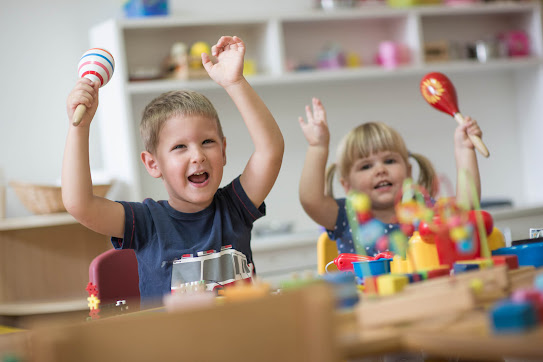
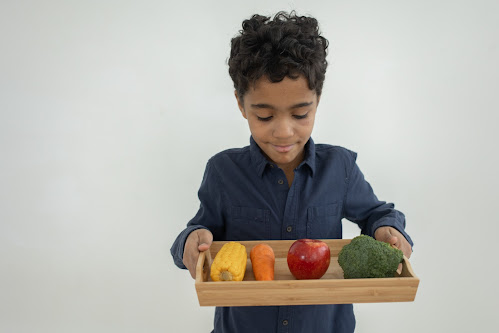
Healthy snacks are encouraged in your child's Montessori daycare. This means that things like sugary treats are discouraged, but sweet treats like fruit or fun taste sensations are great. We have selected these 4 daycare snacks with a focus on nutritional value and appeal to children of all ages.

DIY Snacks

The snacks presented here were chosen because they can be prepared at home from fresh ingredients. More importantly, these snacks can also be used as practical life experiences for your children. Allowing children to help prepare snacks is one way to teach valuable life lessons, promote the development of fine motor skills, and encourage critical thinking.


  1. Banana Slices

Bananas are excellent snacks for daycare children. They are easy to manipulate with small hands, taste great, and clean up easily afterward. A small bowl with round slices of banana is a healthy and exciting option for snack time.

  1. Cheese Bites

Cheese comes in many flavors, colors, and textures, and cheese is a favorite among small kids. By mixing cubes of a few favorite varieties of cheese, your kids will experience a taste explosion. Plain crackers make a good complementary item for daycare cheese samplers.

  1. Citrus Segments

All types of citrus can be easily peeled and divided into segments for easy consumption. You may need to de-seed the segments before putting them in a resealable bowl or plastic bag, but citrus is an excellent snack, and at least one type of citrus will appeal to every child.

  1. Celery Sticks

Celery sticks are a crunchy, tasteful treat that is easy to prepare and fun to eat.  Celery sticks can be topped with peanut butter or cream or cottage cheese, or dipped into ranch or other delicious sauces. Eating celery is also good for developing teeth and digestive systems.


Healthy, exciting snacks make snack time a fun time in your child's daycare. eating nutritious foods that fuel them for the rest of the day should be an enjoyable experience, and participating in making their own snacks gives a little extra flavor to every mouthful.

5 Important Pool Safety Tips for your Montessori Preschooler

All preschool children should be taught the basic pool rules before summertime arrives. From knowing when to avoid the pool to learning what must be done if someone in the water is in trouble, understanding teaches your kids to be pool safe sets the foundation for summer full of worry-free fun.

  1. Never Swim Alone

Preschool children should be taught that an adult should always be present before entering the pool area. A fence should be installed around the area, with a locked gate. It is best to take this a step further and make sure the key itself is not accessible to young hands.

The "Buddy System" is one of the most important rules of pool safety, and kids should be taught to abide by it as early as possible. The idea is that no one, not even adults, should spend time alone at the pool because bad things can happen. 

  1. No Running in Pool Areas

The frequency of accidental Slips and falls on wet surfaces is a great example illustrating the need for safe pool conduct. Running and horseplay are great physical activities, but they should be reserved for appropriate locations.

  1. Don't Swim In Dangerous Conditions

Pool areas should be cleared anytime a storm approaches. Even if the thunder and lightning are miles away, it may be coming closer and random strikes can occur up to 10 miles from the main storm. In colder places, unheated outdoor pools are best emptied or at least covered during cold weather, and children are taught that entering cold weather can affect their muscles and physical abilities in a negative way, making the water especially dangerous when it is cold outside.

  1. Learn to Offer Safe Assistance

There is a right way and a wrong way to help someone in trouble. First and foremost, preschool-aged children should alert an adult. To make this easier, purchase a cowbell and mount it with an easy-to-reach pull rope near the gate leading to the pool and teach your kids to ring rapidly in case of emergency.

Keep approved pool safety gear inside the pool fence where it is easily accessible. This should include a lifesaver ring on a rope, and a long pole with a soft curved end. It is vitally important to teach children not to try to reach a drowning person physically because a person in panic can put the helper in trouble as well.

  1. Put Away Pool Toys

Keeping the pool area neat and orderly is an excellent way to prevent trips, slips, and falls. This approach to safety and personal responsibility is in line with the Montessori Method and relies on a child's innate desire for order and organization.


A pool is great to have and offers hundreds of hours of good, clean fun, but it is important that preschool children learn to follow pool safety rules anytime they are near the pool. Whether at home or at a public pool, adhering to these tips will provide a better time for everyone.


Monday, January 31, 2022

3 Positive Behavior Strategies Used in Montessori Daycare

Your Montessori daycare approaches discipline differently than traditional public schools. Instead of focusing on problem behavior, Montessori uses redirection and discussion to address the behavior of children. The idea is to address behavior before it becomes disruptive, and that is done through positive behavior strategies like these.

  1. Appropriate Examples

The teachers and parents of children are their primary role models during the daycare and preschool years. As such, it is the responsibility of these people to provide positive examples of desirable behavior. From taking responsibility for accidents and mistakes to learning social skills such as courtesy and grace, children learn from what they see in others. Our role as adults in their lives is to give them the best examples we are able to provide. Be what you want to see, and acknowledge good behavior when it happens.

  1. Consistency

When the desired behavior has been laid out for children to follow, it needs to be consistent. This is especially important when coordinating school activities with the home or community. Maintaining or addressing consistency between the home and the classroom is one of the many reasons that Montessori uses frequent parent-teacher communication. With everyone on the same page, children quickly adapt to behaving in an appropriate manner.

  1. The Prepared Environment

The Montessori prepared environment is not a random collection of toys and activities. It is carefully laid out to engage children in their educational activities in a manner that benefits from good social behavior. Children hone grace and courtesy skills regularly because social etiquette is one of the cornerstones of the Montessori environment, and they are frequently given reasons to use it. 


Montessori daycares are known for their quiet, organized activities. That reputation is a direct result of using proactive, positive behavior strategies to minimize disruptions and maximize the focus and concentration of the children. Good behavior is not addressed as an individual issue so much as it is learning an effective method of interacting with others that will yield the desired results.


3 Engaging Ways to Teach About Gratitude in Montessori Preschool

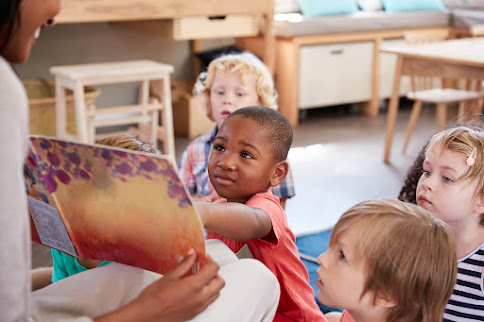
Your child’s Montessori preschool includes good behavior concepts like gratitude in a variety of ways throughout the school day. Whether they are taking turns using a particular activity, participating in group activities, or performing daily routines, gratitude plays a key role in the Montessori environment.

  1. Sharing is Caring

Obviously, there are a limited number of activities available in the Montessori preschool classroom. And that creates plenty of opportunities for children to practice social graces and show gratitude when it is due. Simply learning to say thank you after being given permission to do something is a major step toward learning to show gratitude toward the kindness of others. Just as it is customary to say "thank you" after someone passes the peas at the dinner table, showing gratitude for permissions and external assistance keeps the classroom more focused and avoids conflicts.

  1. Group Activities

When the class has all sorts of group activities, even sing-alongs, it is a great opportunity for practicing social skills like gratitude. Asking for and receiving permission helps keep everything moving along smoothly, avoiding potential conflicts as it instills the concepts of asking and giving into impressionable young minds. And that point is worth remembering because children come into the world as a blank slate that is absorbent and willing so long as that need is fulfilled and encouraged.

  1. Respect and Inclusion

The ability to show gratitude when it is due is vital in developing respect for ones and others. It is an important leadership skill that plays a role in helping children become included more often in more ways. Respect is all about showing gratitude and deferential behavior, and it is important that children develop the skills necessary to both show appreciation and to accept it.


Anywhere your children go, they will have plenty of opportunities to practice displays of honest gratitude. From thanking the clerk for his service to showing gratitude for someone holding the door, life is filled with people interacting, and every interaction involves respectful behavior and appropriate shows of gratitude.


Thursday, December 30, 2021

What is the Appropriate Age for Children to Begin a Montessori Education?


Montessori excels at early childhood development, but it has advantages for children of all ages. If you have been considering enrolling your children in Montessori, the best advice is to do a little research so you understand the process, and then get the enrollment underway as soon as possible. Because Montessori is divided into sensitive periods that correspond to natural learning phases, the focus of each group can be discussed in simple terms.

Montessori Daycare

Beginning with infant care, Montessori focuses on appropriate childhood development in 3-year phases. This phase is called the “Absorbent Mind,” referring to the children being exposed to a wealth of new sensations and information as they become more aware of the world around them. Daycare students are engaged in developing fine motor skills, learning to communicate, and discovering social skills that help them interact with peers, adults, and the community at large. 

Montessori Preschool

The second phase of Montessori put more focus on academic development and gross motor skills. Children will be more involved with activities that involve culture, language, music, and other fields. Many authentic Montessori workstations can be used for lessons in multiple academic fields, and children are encouraged to explore a range of play-based lessons.

Montessori Elementary

In Montessori elementary children enter what Maria Montessori called the “Reasoning Mind” phase. Creativity and critical thinking are nurtured, encouraging children to explore causation and effect, community involvement, and academic subjects such as math, science, and history. Montessori materials allow conquering multiple subjects by using workstations for different or concurrent purposes, with longer class periods to accommodate their studies.

No Time Like the Present

From infants through primary education, children benefit from Montessori education. The best results come from early enrollment and incorporating the Montessori Method in home life. Starting early allows children to use the advantages of hands-on learning throughout the process without having to adjust to a different type of instruction as they get older, potentially missing opportunities to maximize the Absorbent and Reasoning phases of development.


Keep in mind that only authentic Montessori schools are going to provide the full learning system developed by Maria Montessori. Ask about accreditation and check out parent testimonials. It won’t take long to determine that Montessori is perfect at every stage of childhood education.


4 Indicators To Help Determine Whether Montessori Preschool is Right For Your Child

Choosing the right preschool for your child is an important decision and has the potential to completely change her progress as she gets older. To help you determine whether Montessori is a good fit for your child, these 4 important facets of the Montessori Method are commonly regarded as some of the best things Montessori brings to the table.

  1. Play-Based Learning

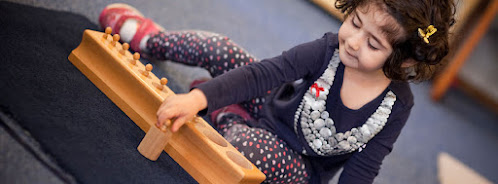
An authentic Montessori preschool uses hands-on, play-based learning as the primary method of instruction. This mimics the natural learning process that people have used for thousands of years, allowing children to explore their studies through interactive, self-correcting materials that were carefully designed and chosen to provide multiple facets of learning based on the current work in progress

  1. The Prepared Environment

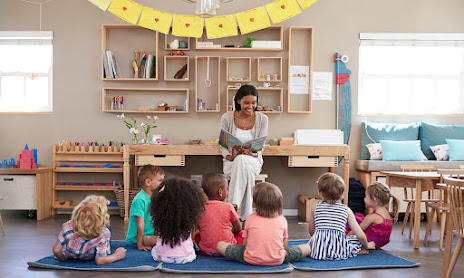
The Montessori prepared environment is unlike traditional public school environments. Everything is kept in its place, and the room is laid out from the child’s perspective rather than the adult's. This helps children feel more comfortable, and that allows them to spend more time focused on learning and less time making do with what is within reach.

  1. Child Focused Teachers

Montessori teachers are specially trained in the Montessori Method. Instead of giving assignments to the class as a whole, Montessori teachers observe the interests and progress of the children and guide them to classwork that is appropriate for their individual goals. Maria Montessori understood that children learn different things at varying rates, and incorporated self-paced activities as the de facto learning environment.

  1. Mixed Age Classrooms

Montessori preschool classrooms use a 3-year mixed-age grouping rather than grouping children of a single age. This promotes learning at individual rates without “falling behind” on the one hand and allows younger children to learn from older kids on the other. Because Montessori is a whole-child educational system, mixed ages also help children develop important social skills such as responsibility, diplomacy, and self-esteem.


Children who develop a love for learning in preschool are more likely to become interested and engaged in learning throughout their lives. And since keeping children engaged and interested is one of the primary goals of Montessori, this teaching method is popular. If what you have read here appeals to your goals for your child, then Montessori may be the right style of education for her.


Sunday, November 28, 2021

4 Ways That Gratitude is Important in the Montessori Classroom


Authentic Montessori daycare includes learning about grace and courtesy as part of the daily curriculum. Maria Montessori understood that learning important social graces played an important part in childhood education by making children more secure in themselves and understanding of others.

  1. Gratitude and Self Esteem

Building a child’s self-esteem is a big part of Montessori daycare. The idea is that children who feel good about themselves and their abilities are going to be more interested in making an effort and participating in classroom events. Giving and receiving gratitude is beneficial to both parties, and helps children develop a healthy sense of personal worth.

  1. Gratitude and Common Courtesy

Social etiquette in Montessori daycare is built around the expression of humility and gratitude. For many small children, developing the ability to put oneself in another’s shoes is a new and major accomplishment. Humility teaches them that we are all equal, and gratitude allows us to express our appreciation when others do things that benefit us. Learning to exhibit “good manners” develops critical thinking skills and helps children understand what it means to show compassion for others.

  1. Gratitude and Social Interaction

During the Montessori daycare years, children begin to develop the ability to imagine how others feel. Because daycare children are eager to please others and they often use gratitude as a simple way to show they are pleased to be noticed, included, or invited to participate.

  1. Gratitude and Attitude

Research has shown that daycare children who have been taught the basics of grace and courtesy are happier, more outgoing, and more eager to participate in group events. Maria Montessori observed the connection between polite behavior and individual attitudes, and so she included lessons on grace and courtesy as a central part of Montessori education.


Learning about gratitude and courtesy is just as important to childhood development as developing strong muscles and learning to read and write. And because so many of the interactions children throughout the day provide an opportunity for gratitude, it is included in almost every action and activity in the Montessori daycare environment.